
Lower back pain is one of the most common reasons people seek medical care. If you’re wondering when to see a chiropractor for lower back pain, understanding your symptoms is an important first step. Whether your discomfort began after lifting something heavy, sitting for long hours, or participating in physical activity, knowing when to seek professional care can help you make informed decisions.
Some episodes improve within a few days, while others persist for weeks or repeatedly return. Knowing when to seek professional care can help you address the underlying problem, improve mobility, and reduce the likelihood of ongoing discomfort.
So, when should you see a chiropractor for lower back pain? The answer depends on your symptoms, how long you’ve been experiencing them, and whether your pain is affecting your ability to perform normal activities.
What Causes Lower Back Pain?
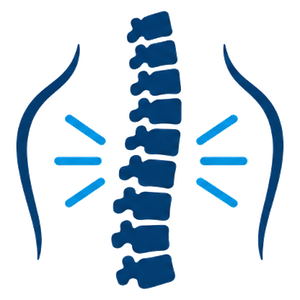
Your lower back, also known as the lumbar spine, is a complex structure consisting of five lumbar vertebrae, intervertebral discs, joints, ligaments, muscles, and nerves. These structures work together to support your body, maintain stability, and allow movement.
When one or more of these structures becomes irritated, injured, or overloaded, lower back pain can develop.
Common causes include:
- Muscle strains and ligament sprains: Often associated with lifting, twisting, repetitive movements, or sudden physical activity.
- Joint dysfunction: Restricted or painful movement in the joints of the lumbar spine can contribute to stiffness and discomfort.
- Disc-related conditions: Changes in the intervertebral discs, including disc herniations, may cause localized back pain or irritation of nearby nerve roots.
- Poor movement habits and prolonged sitting: Extended periods in one position can increase discomfort, particularly when combined with inadequate physical conditioning.
- Degenerative changes: Age-related changes in spinal discs and joints may contribute to pain, although many people have these changes without experiencing symptoms.
- Sciatica: Irritation or compression of a nerve root in the lower spine may produce pain that travels into the buttock or leg.
Understanding the source of your symptoms is important because not all lower back pain requires the same treatment.
5 Signs It May Be Time to See a Chiropractor
1. At the First Sign of Lower Back Pain
At Chiropractic Health Associates, we believe the best time to address lower back pain is when you first begin experiencing symptoms. Rather than waiting for discomfort to become severe or interfere with your daily activities, we encourage patients to seek an evaluation as early as possible.
Lower back pain is often your body’s way of signaling that something isn’t functioning as it should. Whether the discomfort is caused by a muscle strain, joint irritation, disc-related condition, or another underlying issue, identifying the source of your pain early can help guide appropriate treatment.
Waiting for lower back pain to go away on its own may allow certain conditions to worsen or lead to changes in how you move and perform everyday activities as you compensate for discomfort.
Our philosophy is simple: Don’t wait until lower back pain disrupts your life. Address it early so we can evaluate the problem, begin appropriate treatment when indicated, and help you return to your normal activities as quickly and safely as possible.
2. You Experience Pain When Bending, Standing, or Sitting
Does your lower back hurt when you bend forward, stand up from a chair, or remain seated for extended periods?
Pain associated with certain movements or positions may indicate irritation involving the muscles, spinal joints, discs, or other supporting structures.
A chiropractor can evaluate your spinal mobility, movement patterns, and neurological function to help determine which structures may be contributing to your symptoms.
3. Your Back Pain Keeps Coming Back
Recurring lower back pain is common.
You may feel better for several weeks or months, only to experience another episode after yardwork, exercise, prolonged driving, or an ordinary daily activity.
Repeated episodes may indicate that factors such as muscular endurance, activity demands, movement patterns, or previous injuries need additional attention.
Chiropractic care may be one component of a management plan that includes exercise, activity modification, and strategies to reduce future episodes.
4. Your Pain Travels Into Your Buttock or Leg
Lower back pain sometimes extends beyond the lumbar spine.
Pain that radiates into the buttock, thigh, calf, or foot may involve irritation of a lumbar nerve root. Patients sometimes describe this as sciatica.
Other symptoms may include tingling, burning sensations, or numbness.
These symptoms deserve a careful clinical evaluation because radiating leg pain can have several causes.
A chiropractor can perform appropriate orthopedic and neurological examinations to determine whether conservative treatment is reasonable or whether additional medical evaluation is necessary.
Important: New or progressive leg weakness, significant neurological changes, or problems with bladder or bowel control require urgent medical attention rather than routine chiropractic scheduling.
5. Lower Back Pain Is Affecting Your Daily Life
One of the clearest reasons to seek care is when lower back pain begins limiting your normal routine.
You might notice difficulty with:
- Getting comfortable while sleeping
- Walking or standing for extended periods
- Lifting children or household objects
- Exercising or participating in recreational activities
- Completing work responsibilities
- Getting dressed or performing everyday movements
Even when pain isn’t severe, reduced mobility and activity limitations can affect your quality of life.
A professional examination can help determine an appropriate treatment approach and establish realistic recovery goals.
How Can a Chiropractor Help With Lower Back Pain?
Chiropractors are trained to evaluate musculoskeletal conditions, including many common forms of lower back pain.
Your initial visit typically begins with a detailed discussion of your symptoms, medical history, previous injuries, and activities that aggravate or relieve your discomfort.
A physical examination may include assessment of spinal movement, muscle function, reflexes, sensation, strength, and orthopedic findings.
Depending on the results, your chiropractor may recommend a combination of treatments.
Spinal manipulation or mobilization: These hands-on techniques may help reduce pain and improve function in appropriately selected patients with mechanical lower back pain.
Therapeutic exercise: Targeted exercises can help improve strength, flexibility, coordination, and tolerance for everyday activities.
Soft tissue treatment: Certain manual therapies may help address muscular discomfort and movement restrictions.
Patient education: Understanding how to remain active, modify aggravating activities, and gradually return to normal movement is an important part of recovery.
Research and clinical guidelines support spinal manipulation as one possible non-drug treatment for certain types of lower back pain. However, treatment outcomes vary, and chiropractic care is not appropriate for every cause of back pain.
Will You Need X-Rays for Lower Back Pain?
Yes. At Chiropractic Health Associates, X-rays are part of our standard evaluation for every new patient.
We believe that understanding the structure and condition of your spine is an important part of developing an appropriate treatment plan. While a physical examination provides valuable information about your movement, symptoms, and neurological function, X-rays offer additional information about the bones and alignment of your spine.
X-rays can help your doctor evaluate several important factors, including:
- Disc degeneration: Changes in the spacing between vertebrae may suggest degenerative changes involving the intervertebral discs.
- Arthritic changes: X-rays can reveal bone spurs and other signs of degenerative changes affecting the spinal joints.
- Spinal alignment: Imaging can identify certain structural changes, including abnormal spinal curvature or vertebral slippage.
- Potential contraindications to treatment: In certain situations, X-rays may identify fractures or other abnormalities that require modifications to treatment or referral for additional medical evaluation.
By combining your X-ray findings with your medical history and physical examination, your chiropractor can develop a more complete understanding of your spinal health.
Our goal is to make informed treatment decisions based on your individual condition rather than taking a one-size-fits-all approach to lower back pain.
When Is Lower Back Pain a Medical Emergency?
Although most lower back pain is not caused by a dangerous condition, certain symptoms require immediate medical attention.
Seek emergency medical care if you experience:
- New loss of bladder or bowel control
- Numbness around the groin or saddle region
- New or rapidly worsening leg weakness
- Severe back pain following significant trauma
Prompt medical evaluation is also important for back pain accompanied by fever, unexplained weight loss, a history of cancer, or other concerning symptoms.
These findings may indicate a condition requiring medical testing or treatment beyond routine chiropractic care.
Should You Wait for Lower Back Pain to Go Away?
If your pain is mild, improving, and not associated with warning signs, remaining gently active and avoiding prolonged bed rest may be reasonable.
However, you don’t have to wait until your symptoms become severe before seeking professional guidance.
If your lower back pain is persistent, recurring, radiating into your leg, or interfering with your daily activities, scheduling an evaluation can be a practical next step.
Early assessment can help clarify what may be causing your symptoms and whether chiropractic care, exercise-based rehabilitation, medical treatment, or another approach is most appropriate.
Get Help for Lower Back Pain at Chiropractic Health Associates
Lower back pain can make even simple daily activities uncomfortable, but understanding your symptoms is the first step toward finding an appropriate solution.
At Chiropractic Health Associates, our goal is to evaluate your concerns, identify potential contributing factors, and help you understand your treatment options.
Whether your pain started recently or has been bothering you for months, we can help determine whether chiropractic care is appropriate for your condition.
Ready to take the next step? Contact Chiropractic Health Associates to schedule an evaluation and find out what may be causing your lower back pain.
Learn more about our personalized chiropractic care and how we help patients at Chiropractic Health Associates in Kings Mountain, NC.